
NEWS.AR—

The Done-For-You AI Business OS Is Replacing Website Builders for Small Service Firms

AI Business Sites is pushing a managed AI operating system that builds a custom website and runs the back office for small businesses in seven days for a flat setup and monthly fee.

September 17, 2026
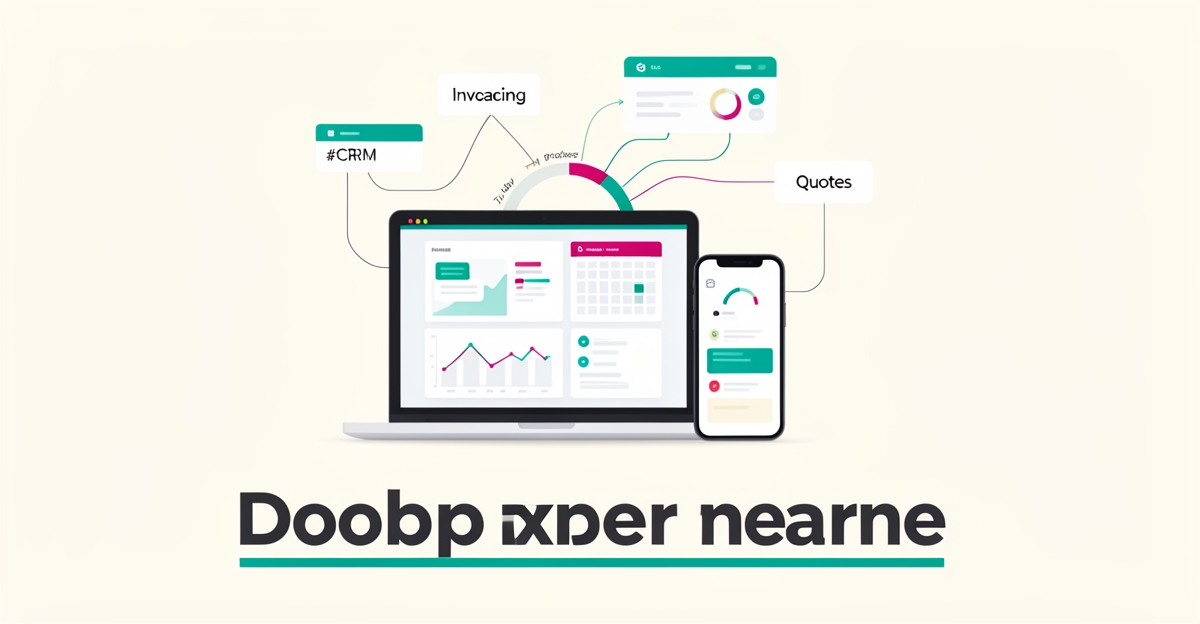
Flat illustration of an AI business operating system dashboard connecting website, CRM, invoicing, and workflow modules in teal and magenta.

TL;DR

AI Business Sites is positioning a managed AI operating system that builds a custom website and runs the back office for small businesses in 7 days for a flat setup and monthly fee, with ownership and month-to-month exit.

Key points

  • 01One flat price model: $1,497 setup and $497 per month with no tiers, month-to-month cancellation.
  • 0285+ pages launch in 7 days including hand-crafted core pages and AI-generated SEO pages with featured images.
  • 03Base plan includes jobs, quotes, invoicing, commerce and CRM, not as add-ons.
  • 04Clients own code, content, data and domain with full export on exit.
  • 05Website voice agent is included; dedicated phone AI Receptionist is a separate add-on.

Small business owners are tired of patching together a website, a chatbot, a CRM, a scheduling tool and a content calendar. The latest shift in the local services market is toward managed AI operating systems that are built and run by a vendor, not assembled by the owner. AI Business Sites, operated by AIQ Labs, is marketing exactly that model: a custom website plus an AI back office delivered as a done-for-you service, live in seven days, with the client retaining ownership of everything.

From brochure to business system

The core promise is a move away from brochure sites. The service is pitched as a website that answers, writes, sells, remembers and follows up. At launch the build includes more than 85 pages: a set of hand-crafted core pages for homepage, about, contact, booking and individual services, plus AI-generated service, location and comparison pages. Each page is published with schema markup and an AI-generated featured image. Google Business Profile setup, Search Console and sitemaps are included in the initial build. Ongoing publishing is part of the monthly fee, with 14 or more new SEO pieces per month and daily industry news articles for the client's niche.

Pricing that is deliberately simple

The pricing model is one setup fee and one monthly fee. Setup is $1,497, collected as a $500 deposit to secure a build slot and the balance due at launch. Monthly management is $497. The company states that previous tiers and SaaS plans no longer exist. Four optional add-ons are available separately: B2B lead discovery, cold outreach automation, social content production and a dedicated phone AI Receptionist. All plans are month-to-month with 30 days notice. The positioning emphasizes no per-seat fees, no feature gates and no long-term contracts.

What is included in the monthly service

The managed subscription covers hosting, maintenance, content production and the operating system. The platform includes an AI assistant with hundreds of tools, a 24/7 website FAQ bot, a WebRTC voice agent embedded on the site, CRM pipelines, lead capture with instant auto-responses, two-way AI email, scheduled tasks and a knowledge base with retrieval augmented generation and auto-generated wiki articles. Automations, project management, newsletter tools, reports and privacy-first analytics are also covered. Media creation, video generation and Google Business Profile review syncing are part of the base offering.

Jobs, commerce and the field service loop

A distinguishing feature for trades and local services is the inclusion of a field service module. The quote-to-job-to-invoice-to-review loop is built into the base price. AI can draft quotes from call transcripts or chat, customers can approve and e-sign on a mobile-first page with view tracking, and approval automatically creates a job card. A calendar and a technician My Day view support scheduling, and invoices can be paid via the client's own Stripe account. The same commerce engine supports products, bookable services, restaurant menus and event tickets, with payments flowing directly to the client's Stripe account. The company highlights that competitors typically charge per seat and gate reviews and e-signature behind add-ons.

Ownership, exit and transparency

Ownership is presented as a core selling point. Clients own the code, content, lead data, knowledgebase documents and media, and the domain is registered in their name. On exit the company provides a GitHub repository and a full database export. The site is built with React and Next.js, a standard stack any developer can maintain. The interface is described as an operating system with a daily briefing, a Needs You queue, Mission Control for agent runs, a command palette and unified inboxes for approvals and messages. Human-in-the-loop governance is default, with approve-first controls for customer-facing actions.

Voice boundary and content quality

There is a clear distinction between voice capabilities. The website embedded voice agent that lets visitors talk in their browser is included in the monthly fee. Answering actual phone calls via a dedicated number is the AI Receptionist add-on at $199 per month. Content quality is emphasized through a multi-agent pipeline for SEO writing and a validation layer for comparison pages that verifies prices and claims before publishing. Internal linking is automated to build topical clusters. The company stresses that the system is managed end-to-end, with the vendor handling hosting, integration, training and ongoing improvement so owners do not need to prompt or maintain tools.

Conclusion

The model reflects a broader trend in small business technology: buyers want outcomes, not toolkits. By bundling website build, AI back office and ongoing management under one flat price with clear ownership, AI Business Sites is targeting owners who want a system that runs the business while they focus on delivery. The bet is that implementation, maintenance and consistent content are the real barriers, and that done-for-you management is more valuable than a cheaper DIY stack.